












How Long Does It Take Clindamycin to Work for Bacterial Infection?
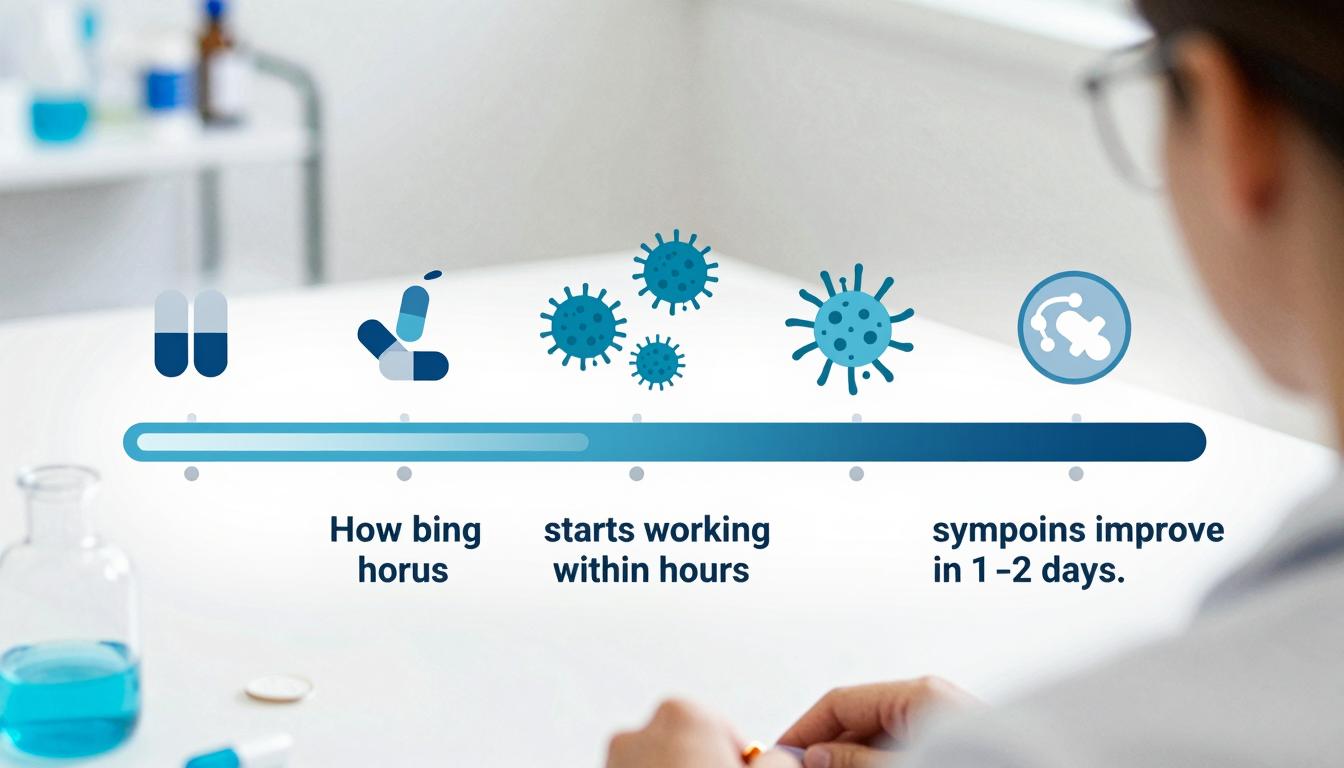
Clindamycin usually starts working within about 24 to 48 hours after the first dose, but most people don’t really notice clear improvement until around 2 to 3 days. The exact timing can vary depending on the type of infection and how severe it is. You must finish the entire treatment because your infection needs full treatment for its successful elimination despite your improvement in health. A lot of people expect antibiotics to work almost right away. The body requires time to show results after the medication begins working since there exists a period between these two events. The common reaction of people to clindamycin antibiotics gets experienced as a standard pattern which shows how these medications operate. When You Can Expect Relief From Symptoms Clindamycin begins acting against bacteria fairly soon after you take the first dose. That initial antibacterial activity starts within the first day, even if you don’t feel it immediately. For many people, symptoms such as pain, swelling, or fever begin to ease within about 48 to 72 hours. It’s usually not a sudden change. More often, it’s gradual — you may just notice things aren’t quite as intense as they were before. Skin and soft tissue infections show their visible symptoms after an extended period. The outer signs of an infection which include redness and swelling need time to match the internal improvements which have already started. The overall duration of an infection depends on its level of severity. Continuous medication administration for multiple days is necessary because actual progress will only become evident after that period. How Clindamycin Fights Infection in the Body Clindamycin works by blocking the bacterial machinery that produces essential proteins for their survival. Bacteria need those proteins to grow and multiply but they miss out on playing their normal development path. Their spread starts to decrease until they reach a complete stop. At that point, your immune system takes over and clears out what remains. This is why clindamycin is effective against many anaerobic bacteria and certain gram-positive infections. It doesn’t just attack the bacteria directly — it disrupts how they function at a basic level. Signs That Clindamycin Is Working Most people notice improvement in small steps rather than all at once. Some common signs include: reduced redness, swelling, or pain at the infection site• a drop in fever• feeling generally better or having more energy• less pus, discharge, or inflammation• gradual healing of the affected area Mild changes of the kind mentioned above may at times take on incremental improvements. It may well be the case when only some of the symptoms change, and the signs of even worse symptoms are possibly even brought forward. Why Improvement May Take Longer in Some Cases The various infections show different recovery times which constitute a standard medical phenomenon. The infection requires more time to improve when its severity increases through deeper or wider spread. The antibiotic needs additional time to reach the bacteria which it must control. The time it takes to recover from an illness depends on when treatment began. Your immune system plays a role as well. Some people recover faster than others depending on their overall health. There’s also the possibility of antibiotic resistance. If the bacteria aren’t fully sensitive to clindamycin, improvement may be slower or less noticeable. What If There’s No Improvement After 3 Days? The situation has multiple possible explanations which need to be investigated. The bacteria show poor response to clindamycin treatment which requires a different antibiotic to be used. The infection requires additional assessment because medical staff need better understanding of the situation. The patient needs immediate medical help because their symptoms have worsened through increased pain and spreading redness and ongoing fever. Importance of Completing the Full Course The time you need for your treatment will continue until your complete recovery. People frequently make the error of ending their antibiotic treatment before reaching its complete duration. Even after symptoms show improvement some bacteria will remain in the body. The infection will return if you stop your treatment before reaching the required duration. The practice increases antibiotic resistance, which creates problems for treating upcoming infections. The complete treatment must be followed because it protects your health. Tips to Get the Best Results From Clindamycin A few simple habits can help the medication work as effectively as possible. It helps to: take doses at evenly spaced intervals• avoid skipping doses• not double up if you miss one — just continue as directed• stay hydrated• follow any dietary instructions given It’s also important to pay attention to how your body responds. If you notice anything unusual — especially persistent diarrhea — it should be reported. If you’re ever unsure about how to take the medication, pharmacists at Grant Pharmacy can help explain things clearly and make the instructions easier to follow. Trusted Antibiotic Guidance for Patients Understanding how antibiotics work — and how long they take — helps set realistic expectations during treatment. For reliable information about medications like clindamycin and safe antibiotic use, patients can explore resources available at grantpharmacy.com, where guidance and support are available. Knowing what to expect as symptoms improve can make the whole process feel a bit more manageable — and a lot less uncertain from day to day.



.png)



